
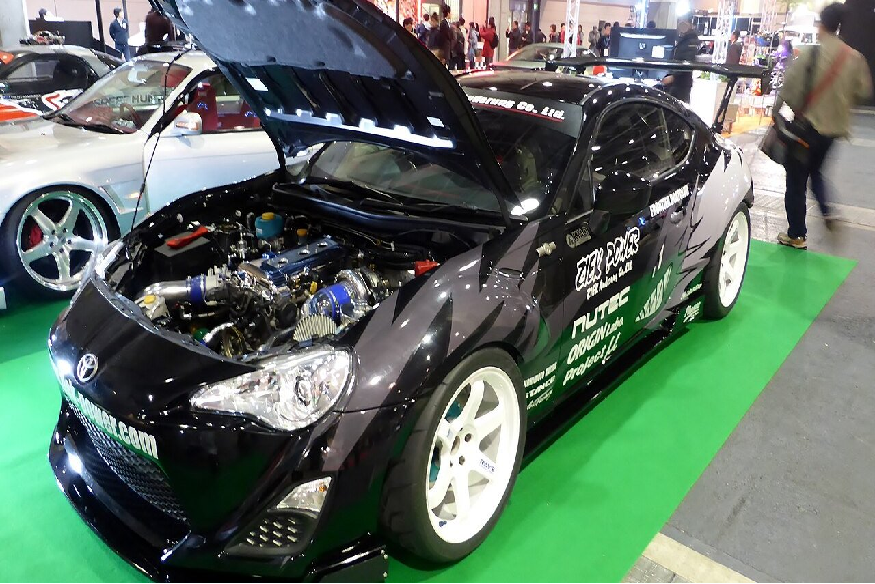

Ask ten import mechanics whether a Japanese-market engine is “better” than the US-market version of the same block and you’ll get two camps, both fairly certain and both partly right. The disagreement matters because a lot of money now rides on it: imported JDM engines have become a routine replacement option for older Toyotas, Hondas and Nissans, and buyers are often sold on the idea that the Japanese version is superior by default. The useful answer is narrower and more technical than either camp admits, and it depends on what you mean by “better.”
Read More: Ignition Coils: What You Need to Know
Why does the “JDM is better” camp have a point?
Their strongest argument is not engineering but history. Japan’s inspection regime, shaken, sets a three-year first term for new private cars and a renewal every two years after that, with costs that climb as a car ages, so a large share of vehicles are retired with modest mileage. A JDM replacement engine therefore tends to arrive with fewer miles on it than a comparable unit from an American salvage yard, where the donor car often ran until something major broke. That is the core of the business case for importers. Browse the catalog from this Texas importer, which lists engines with under 65,000 miles, and the pattern is obvious: Japanese-market engines and transmissions sorted by make, model and year range for the US cars they fit. For the owner of a twelve-year-old Accord with a failed engine, a low-mileage Japanese K24 is, in practical terms, a better engine than a 180,000-mile domestic one, even if the two are the same part number.
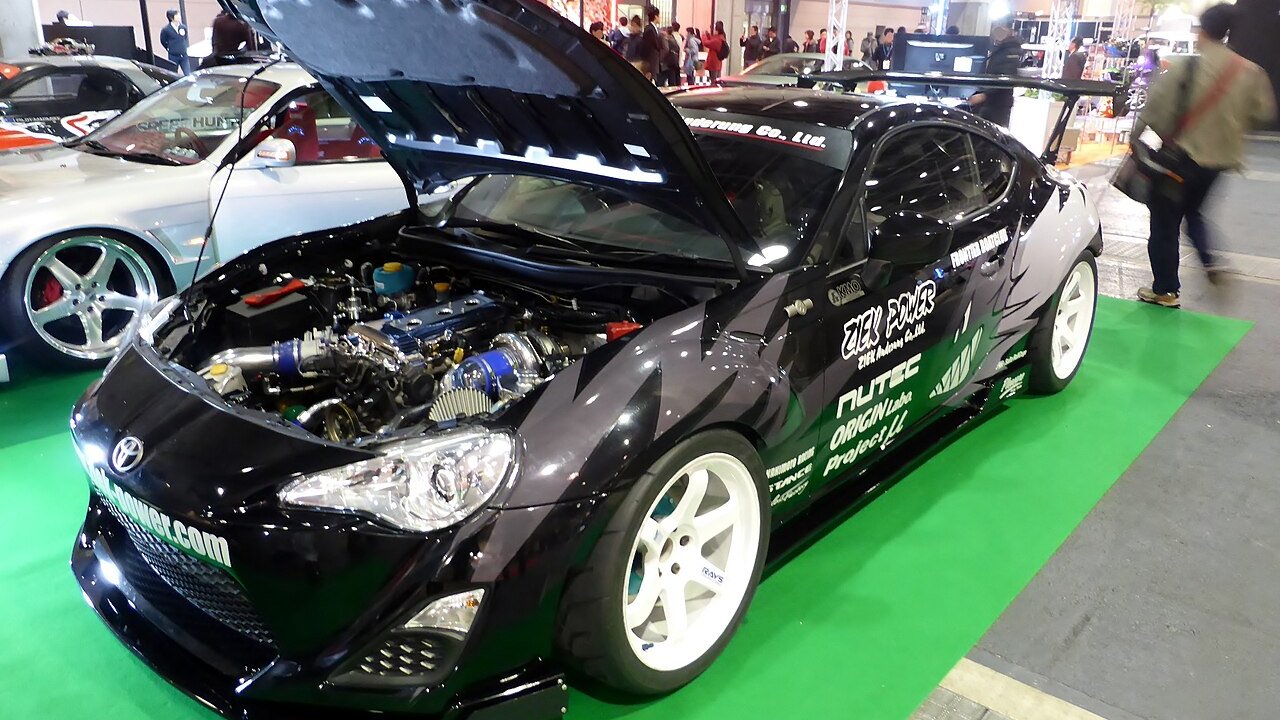
What actually differs between a JDM and a USDM engine?
Start with the hardware. In many mainstream applications, a 2AZ-FE in a Japanese Camry and a 2AZ-FE in an American one share the block, head and rotating assembly; the differences are in the periphery, meaning the intake, emissions equipment, sensor fitment and engine management. The ECU is the biggest variable. Japanese calibrations were written for Japanese fuel, Japanese emissions tests and, on some Hondas, a speed limiter at 180 km/h, and owners on Honda forums have long reported that Japanese ECUs often won’t talk to American OBD-II scan tools or pass a US emissions inspection. Performance models are where the gap becomes real: the K20A in the Japanese Civic Type R and Integra Type R carried higher compression and more aggressive cams than the K20A2 in the US-market RSX Type-S, and the classic AE86’s 4A-GE was rated lower in its US form than in Japan, partly because of emissions equipment fitted to meet American rules. Some engines, like the SR20DET and 1JZ-GTE, never came to the US in a car at all, so there is no USDM version to compare.
Read More: Pay Attention to These Dashboard Warning Indicators
Why does the skeptical camp have a point too?
Because “fewer miles” is not the same as “less wear,” and “Japanese-market” is not the same as “plug and play.” Odometer readings are taken from the donor car at the dismantler, and short-trip urban driving with long idle periods is hard on oil and rings in ways mileage doesn’t capture. Compatibility is the larger practical issue. A JDM unit may arrive with a different intake manifold, a missing or relocated sensor, a different knock sensor or crank trigger, or an ECU that the installer has to discard in favor of the car’s original module. Most experienced shops handle this by transferring US-market accessories and sensors onto the imported long block, which works well but adds labor that a same-market replacement wouldn’t need. Emissions law adds another layer. California requires that a replacement engine keep the vehicle at the same or a newer, cleaner certification, verified at a referee station, and a Japanese engine with Japanese emissions hardware may not qualify as delivered.
So which one should you buy?
For a straight replacement in a common Japanese car, treat JDM versus USDM as a sourcing question, not a quality one: pick the unit with the best documented condition, ideally with a per-cylinder compression result, a written warranty and confirmed fitment by engine code, and plan to keep your car’s original ECU, harness and emissions parts. For a performance build, the Japanese-market version is often genuinely different and sometimes the only option, which is the whole reason it exists in the swap scene. And in strict-emissions states, check the rules before you order anything. The JDM label tells you where an engine came from. The paperwork tells you whether it is any good.