
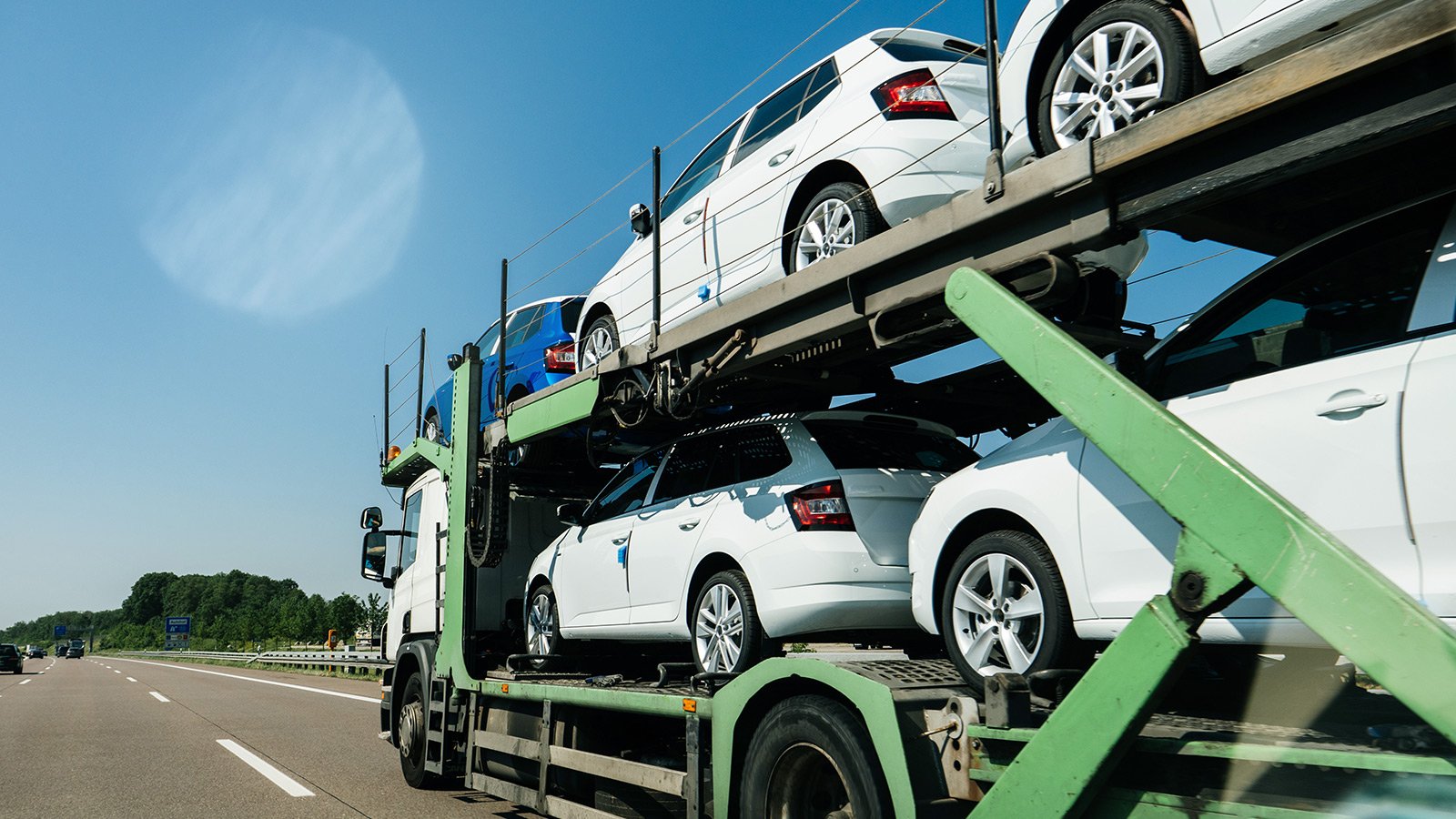

Canada runs on seasons, and so do many of its jobs. Tree planters head north each spring, ski resort staff arrive in autumn, summer camps and tourism businesses ramp up in June, and construction crews follow the warm weather. For people who work these jobs, a car is often essential, but moving it across the country for a few months raises a fair question: is it better to drive or to ship?
This guide looks at how seasonal workers can think about shipping a vehicle, what to plan for, and how to keep the process affordable and low-stress.
Who Moves a Car for Seasonal Work
The range of seasonal jobs is wide. Tree planting crews work in British Columbia, Alberta, and Northern Ontario, often living in remote camps. Ski and snowboard staff work in Whistler, Banff, Revelstoke, and Mont-Tremblant. Summer staff fill roles at national parks, golf courses, resorts, and festivals. Agricultural workers follow harvests, and oil and gas contractors move between projects.
Read More: JDM vs USDM engines: is the Japanese version actually better?
Many of these workers are students or young adults based in Ontario or Quebec who head west for a season. Others are seasoned travellers who repeat the same move every year. In both cases, the question of what to do with the car comes up early.
Do You Need a Car at All
Before booking anything, ask whether the car is really necessary. Some seasonal jobs provide housing, meals, and transportation, and a personal vehicle may sit unused. Resort towns often have strong transit and walkable cores, and a car can turn into an expense for parking and insurance.
On the other hand, a car is essential for jobs in rural areas, for workers who need to reach a remote site, and for anyone who wants to travel during days off. If you will use the car heavily, shipping can be worth it.
Driving Versus Shipping
The drive from southern Ontario to British Columbia or Alberta takes several days and costs fuel, food, and lodging. For a four-month contract, the cost and time of two long drives, out and back, add up quickly. Shipping the car in one direction and driving the other, or shipping both ways, can be simpler, especially if you are flying anyway.
Wear and tear is another consideration. A cross-country drive adds thousands of kilometres to the odometer, and mountain roads in winter can be hard on tires and brakes. For a car that is not worth much, that may not matter. For a newer vehicle, it might.
Popular Seasonal Routes
Many seasonal moves run from Ontario or Quebec to the western provinces. Toronto to Vancouver car shipping is a common route for workers heading to British Columbia, whether they are going to the coast, the Interior, or the mountains. Others stop in Alberta, where Calgary serves as a gateway to Banff, Canmore, and the Rockies.
Moves within a region are also common. A student in Calgary might ship a car to a work site in the Rockies, and a worker in Vancouver might send a vehicle to the Interior for a summer job. Calgary car shipping is a frequent starting point for these shorter moves.
Timing a Seasonal Move
Seasonal work has fixed start dates, which makes timing important. Tree planting contracts start in April and May, ski resort jobs start in November, and summer jobs often start in May or June. Everyone needs a vehicle at the same time, which means spring and fall are busy periods for car shipping.
Book early, ideally three or four weeks ahead, and ask for a delivery window instead of a single day. If your start date is firm, aim to have the car arrive a few days before you need it. That gives you a buffer for weather or scheduling delays.
Where the Car Will Be Delivered
Seasonal workers often live in places that are not easy for a large truck to reach. Camps, staff housing, and remote lodges may be at the end of gravel roads or in areas without much room to turn around. Tell the shipper your exact address, and ask whether the truck can reach it.
Read More: Turning Garage Clutter into Capital with Car Wreckers Perth
If it cannot, the driver may suggest meeting in the nearest town or at a spot along the main highway. Plan how you will get from there to your final destination. For workers heading to a remote site, it can help to arrange delivery to a nearby city and drive the last stretch yourself.
Storage and Insurance
If you will be away from the car for long stretches, think about storage. A car left outside through a Canadian winter can suffer battery drain, flat spots on the tires, and frost damage. Fill the tank, charge the battery, and consider a block heater or a covered location if the temperature drops.
Check your insurance as well. Some insurers allow you to reduce coverage for a vehicle that is stored and not driven, which can save money. Others require ongoing coverage, particularly if there is a loan on the car. Call your insurer before you move to confirm what your policy allows.
Preparing Your Vehicle
Preparation protects your car and your paperwork. Wash the vehicle so any existing marks are easy to see, and photograph every side.
- Remove personal items and valuables from the interior and trunk.
- Keep the fuel level at about a quarter tank.
- Check the tires, battery, and brakes.
- Remove toll tags and parking passes.
- Note any existing damage on the condition report at pickup.
Roads in the mountains and the North can be hard on a car, so check your wipers, fluids, and tires before the shipment. If you plan to use the car on gravel roads, make sure the spare tire is in good shape.
Booking Early
Planning ahead helps. The best dates fill up in spring and fall, and booking early gives you more choice and less stress. For a wider look at services across the province, car shipping in British Columbia is a useful reference.
Making the Season Easier
A seasonal job is hard enough without worrying about the car. Decide whether you really need it, plan the timing around your start date, choose a delivery spot the truck can reach, and prepare the vehicle properly. With those steps done, your car is ready when you are.
Frequently Asked Questions
Is it worth shipping a car for a four-month seasonal job?
It depends on how much you will use it. If the job is remote or you want to travel on days off, a car is useful. If housing and transit are provided, leaving it at home may be cheaper.
Can I ship a car to a remote work camp?
Often only part of the way. A large truck may not reach gravel roads or camps, so delivery is usually arranged to a nearby town or highway spot, and you drive the last stretch.
When should I book if my job starts in spring?
Book three to four weeks ahead. Spring is busy because many seasonal contracts start in April and May, and early booking gives you more date options.
Do I need to keep full insurance on a car I am not using?
It depends on your policy and any loan. Some insurers allow reduced coverage for a stored vehicle, so call yours before you move.
Should I ship my car both ways?
Many workers ship one way and drive the other, or ship both ways if they are flying. Compare the cost of fuel, lodging, and time against the cost of shipping before deciding.