
Investing in refuse trucks is an important decision for waste management companies, municipal sanitation departments, and commercial collection businesses. These vehicles must operate reliably, handle demanding workloads, and support daily collection schedules. A suitable truck can help companies manage their resources more effectively, while an unsuitable vehicle may increase maintenance expenses and reduce operational productivity. McNeilus refuse trucks offer different configurations that businesses can evaluate when planning their fleet investments.
Selecting Equipment for Business Requirements
A practical fleet investment begins with understanding the company’s collection requirements. Businesses should identify the type of waste collected, the number of daily stops, the service area, and the expected workload.
Residential collection may require vehicles with different loading arrangements from those used for commercial container collection.
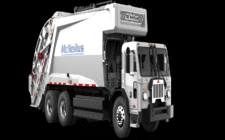
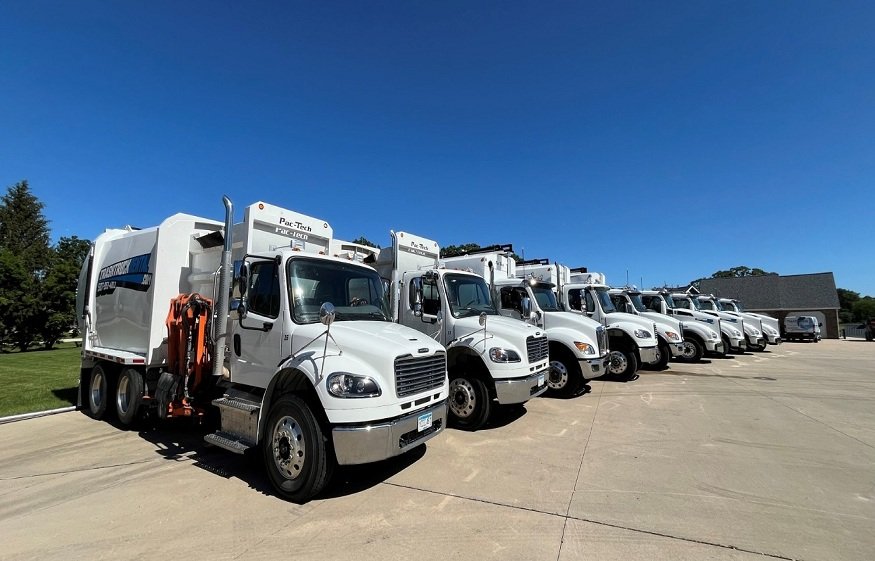
McNeilus provides front-loader, rear-loader, and side-loader configurations that serve different collection applications. Selecting the right model helps businesses match vehicle capabilities with their daily responsibilities.
Different Configurations for Greater Flexibility
Waste management companies often serve different customer groups. A business may handle household waste in residential neighborhoods while also collecting commercial waste from offices, restaurants, and retail facilities.
Read More : How Galfab Roll-Off Trucks Support Modern Waste Management Operations
Having suitable vehicle configurations allows fleet managers to organize equipment according to individual route requirements.
Rear loader refuse trucks may be suitable for certain residential and commercial collection applications. Front loaders are commonly used for compatible commercial containers, while automated side loaders can support mechanized curbside collection.
This flexibility allows businesses to evaluate vehicles based on their actual operating needs.
Evaluating Long-Term Operating Costs
The purchase price is only one part of a refuse truck investment. Fuel, maintenance, repairs, insurance, replacement components, and labor all influence the total cost of ownership.
Businesses should prepare realistic cost estimates before selecting equipment.
Fleet managers should compare vehicle capacity, powertrain specifications, maintenance intervals, and expected operating hours. A suitable vehicle can help reduce unnecessary trips and make better use of available resources.
Companies should also consider whether their service contracts and collection volumes justify the purchase of additional vehicles.
Supporting Efficient Collection Operations
Productivity is an important factor when evaluating commercial refuse trucks. Businesses need vehicles that can perform their assigned collection tasks without unnecessary interruptions.
Appropriate loading configurations and sufficient vehicle capacity can help companies organize collection routes.
Managers should monitor daily collection records and evaluate whether trucks are being used effectively. Reviewing route performance may reveal opportunities to improve vehicle assignments and reduce unnecessary travel.
McNeilus refuse trucks offer configurations that businesses can compare when planning efficient collection operations.
Considering Maintenance and Parts Availability
Long-term fleet value depends partly on the ability to maintain vehicles properly. Refuse trucks operate under demanding conditions, so components eventually require inspection, repair, or replacement.
Businesses should investigate service requirements and replacement component availability before purchasing equipment.
Companies considering rear loader refuse trucks should understand the maintenance needs of their rear loading mechanisms, hydraulic systems, and compaction equipment.
Technicians should use appropriate replacement components and follow manufacturer recommendations. Accurate service records also help fleet managers plan future repairs.
Dealer Support and Technical Assistance
Access to experienced service providers can influence the ownership experience. Companies may need assistance with vehicle diagnostics, maintenance, replacement parts, and equipment repairs.
Ten-8 Industrial is part of the McNeilus independent dealership network. It supports refuse and recycling vehicle customers in Alabama, Florida, Georgia, and Mississippi through sales, parts, maintenance, and service.
Read More : When Should You Replace Bobcat Excavator Undercarriage Parts?
Businesses operating within its territory can evaluate its services when researching McNeilus equipment and ongoing maintenance requirements.
Before purchasing a vehicle, companies should confirm dealer coverage, parts availability, warranty details, and service arrangements.
Considering Electric Refuse Truck Options
The commercial vehicle industry is increasingly exploring alternative powertrain technologies. Electric refuse trucks may provide benefits such as quieter operation and reduced local tailpipe emissions.
McNeilus has introduced its Volterra electric refuse vehicle platform, providing an option for businesses evaluating electric waste collection equipment.
However, companies should carefully assess battery range, charging infrastructure, route distances, payload requirements, and total operating costs before investing in electric vehicles.
The suitability of electric equipment depends on the company’s operating environment and available charging facilities.
Improving Workplace Safety
Safety is an important part of any refuse truck investment. Collection vehicles operate around pedestrians, workers, public roads, and heavy containers.
Buyers should evaluate available visibility features, warning systems, mirrors, cameras, and operator controls.
Businesses must also provide appropriate training for drivers and collection crews. Regular vehicle inspections help identify mechanical and safety problems before they affect daily operations.
A safe operating environment supports employees and helps companies maintain dependable collection services.
Planning for Business Expansion
A practical fleet investment should support both present and future operating requirements. Waste management companies may expand their service areas, secure additional contracts, or experience increased collection volumes.
Fleet managers should consider whether the selected vehicle configuration will remain suitable as the business grows.
Researching McNeilus companies and their equipment offerings can help buyers understand available collection solutions and dealership resources.
Companies should also consider future maintenance budgets, vehicle replacement schedules, and potential changes in waste collection technology.
Understanding Resale and Vehicle Lifecycle Value
Refuse trucks are long-term commercial assets, and their condition can influence their resale value. Regular servicing, accurate maintenance records, and responsible operation can help preserve vehicle condition.
Businesses should monitor vehicle age, mileage, operating hours, and repair expenses. These factors can help determine whether continued maintenance or replacement is the more practical decision.
A planned replacement strategy also helps companies avoid operating vehicles that experience frequent breakdowns or no longer meet collection requirements.
Conclusion
McNeilus refuse trucks can be a practical fleet investment for businesses that need equipment suited to different waste collection applications. Their available configurations allow companies to compare vehicles according to collection methods, route conditions, capacity, and operational requirements.
Businesses should evaluate total ownership costs, maintenance requirements, replacement component availability, and dealer support before making a purchase. Whether considering rear loader refuse trucks or other collection configurations, proper planning is essential for long-term value. Ten-8 Industrial provides McNeilus vehicle sales, parts, and service support in its authorized territory, helping businesses research equipment and maintenance options for their fleets.