
Modern waste management requires dependable equipment that can handle large volumes of materials, support demanding schedules, and operate efficiently across different job sites. Construction companies, demolition contractors, recycling facilities, and waste collection businesses all depend on reliable transportation systems to move debris and bulk materials. Roll-off trucks play an important role in these operations because they can pick up, transport, and deliver large open-top containers. Among the equipment options available, Galfab roll-off systems are recognized for their heavy-duty design and practical performance.
The Role of Roll-Off Trucks in Waste Management
Waste management operations involve more than collecting and transporting ordinary household waste. Businesses regularly handle construction debris, demolition materials, scrap metal, industrial waste, recyclable products, and other bulky materials. These jobs require vehicles capable of carrying substantial loads while making container delivery and removal manageable.
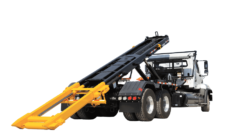
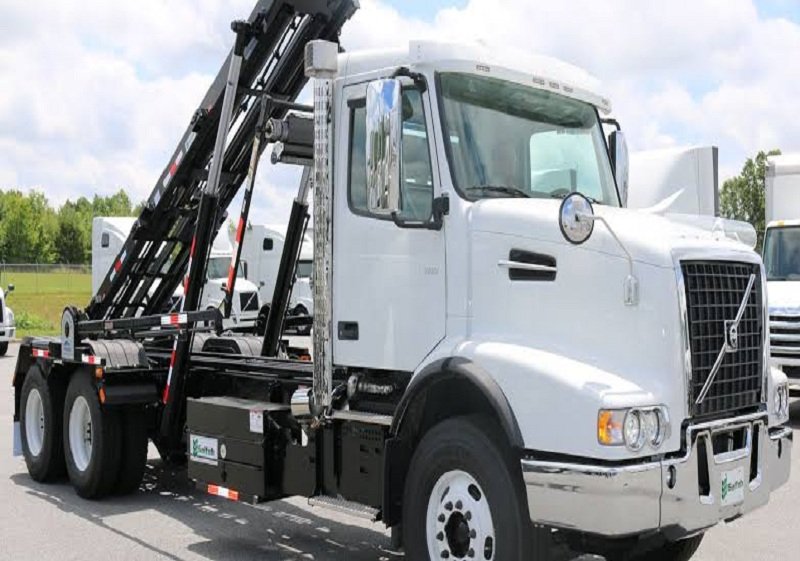
Roll-off trucks provide a flexible solution by allowing drivers to transport detachable containers between customer locations and disposal or processing facilities. Instead of requiring a separate vehicle for every container, one truck can serve multiple locations throughout the working day. This flexibility helps companies organize their routes, use equipment more effectively, and respond to changing customer requirements.
A dependable roll-off system can also help reduce unnecessary handling. Containers can be placed at construction sites, commercial properties, and industrial facilities before being collected when full. This arrangement allows workers to load materials directly into the container without repeatedly moving debris.
Why Equipment Reliability Matters
Downtime can create serious problems for waste management companies. When a truck becomes unavailable, scheduled container exchanges may be delayed, customers may have to wait, and other vehicles may need to cover additional work. These disruptions can affect productivity and operating expenses.
Galfab roll-off equipment is designed for demanding waste-handling applications. Its cable-style systems are intended to provide dependable lifting and container movement during regular operation. Choosing equipment built for heavy-duty work can help businesses establish a more consistent operating process.
Reliability also depends on selecting the correct truck configuration, following maintenance schedules, and ensuring that operators understand the equipment. A well-matched system is more likely to perform effectively when working with different container sizes and load requirements.
Features That Support Daily Operations
One important consideration in roll-off equipment is how the container moves across the hoist. Galfab’s Outside Rail series uses an outside rail design with rollers that allow container long sills to transition across the hoist frame. This arrangement helps reduce direct metal-to-metal friction during movement.
The design also includes container long-sill support rails, which help guide containers during loading and provide additional support. This can be particularly useful when containers are not perfectly aligned with the hoist during a pickup.
Other listed features include supported side rollers, greaseable working points, an autofold DOT bumper, and a rear ground roller cover. These components are intended to support practical operation, maintenance access, and container handling. The specific equipment supplied can vary according to the selected model and configuration.
Improving Productivity Across Multiple Job Sites
A waste management company may serve several customers in one day. These customers can include construction contractors, property managers, manufacturers, recycling centers, and commercial businesses. Each location may have different container requirements and pickup schedules.
A suitable roll-off truck helps a business move containers efficiently between these locations. The driver can deliver an empty container, collect a full one, and continue to another scheduled stop. This process supports a more organized service model and allows companies to manage a larger number of container placements.
Loading and unloading performance also matters. Atlantic Heavy Duty lists an approximate two-minute loading cycle time for the Galfab Outside Rail series, although actual performance can vary depending on operating conditions, truck configuration, and the job. Faster handling can help reduce time spent at individual locations and support better daily scheduling.
Choosing the Right Configuration
Not every waste management business performs the same type of work. A contractor handling construction debris may have different requirements from a recycling company or a business providing commercial container rentals.
Before choosing a truck, buyers should consider the weight and dimensions of the containers they plan to transport. Hoist capacity, container length, chassis ratings, axle configuration, and operating conditions should all be reviewed. The truck must be suitable for the loads it will carry and the roads on which it will operate.
Businesses should also consider optional equipment. Depending on the application, useful additions may include tarping systems, toolboxes, work lights, camera systems, onboard scales, and additional hydraulic options. These features should be selected according to actual operating needs rather than simply adding equipment that may not be used.
The Importance of Maintenance and Operator Training
Even heavy-duty equipment needs regular inspection and maintenance. Operators should check cables, rollers, hydraulic components, container locks, lighting, and other safety-related equipment before beginning work. Unusual noises, visible damage, fluid leaks, or inconsistent movement should be investigated promptly.
Following the manufacturer’s maintenance recommendations can help identify developing problems before they cause significant downtime. Greaseable working points should receive appropriate lubrication, and worn components should be replaced with suitable parts.
Operator training is equally important. Drivers should understand how to position the truck, connect the cable, secure containers, and operate the hoist safely. They should also know the truck’s load limits and follow applicable transportation and workplace safety requirements.
Working With an Experienced Equipment Dealer
Selecting the right equipment involves more than comparing specifications. Buyers may need assistance with truck configuration, available inventory, financing, parts, service, and future maintenance. Working with an experienced dealer can make this process easier.
Atlantic Heavy Duty supports refuse and roll-off truck customers with sales, parts, service, and equipment solutions. The company works with Galfab and can help customers discuss available configurations and inventory. Its team can also provide information about service support and other equipment needs.
A knowledgeable dealer can help businesses compare available options and identify a setup that matches their containers, routes, and operating requirements. Buyers should discuss their expected workloads and ask questions about compatibility, warranty coverage, maintenance, and delivery timelines before making a purchase.
Supporting the Future of Waste Management
Waste management businesses face growing expectations for reliable service, efficient transportation, and responsible material handling. Equipment that supports flexible container movement can help companies respond to these demands while keeping their daily operations organized.
Galfab roll-off systems offer features designed for demanding container-handling applications. When paired with a suitable chassis, trained operators, and a consistent maintenance program, they can become an important part of a waste management fleet.
The right purchasing decision should always be based on the company’s actual workload, container requirements, budget, and long-term service needs. By evaluating these factors and working with a dependable equipment provider such as Atlantic Heavy Duty, waste management businesses can make informed decisions about equipment that supports their operations for years to come.